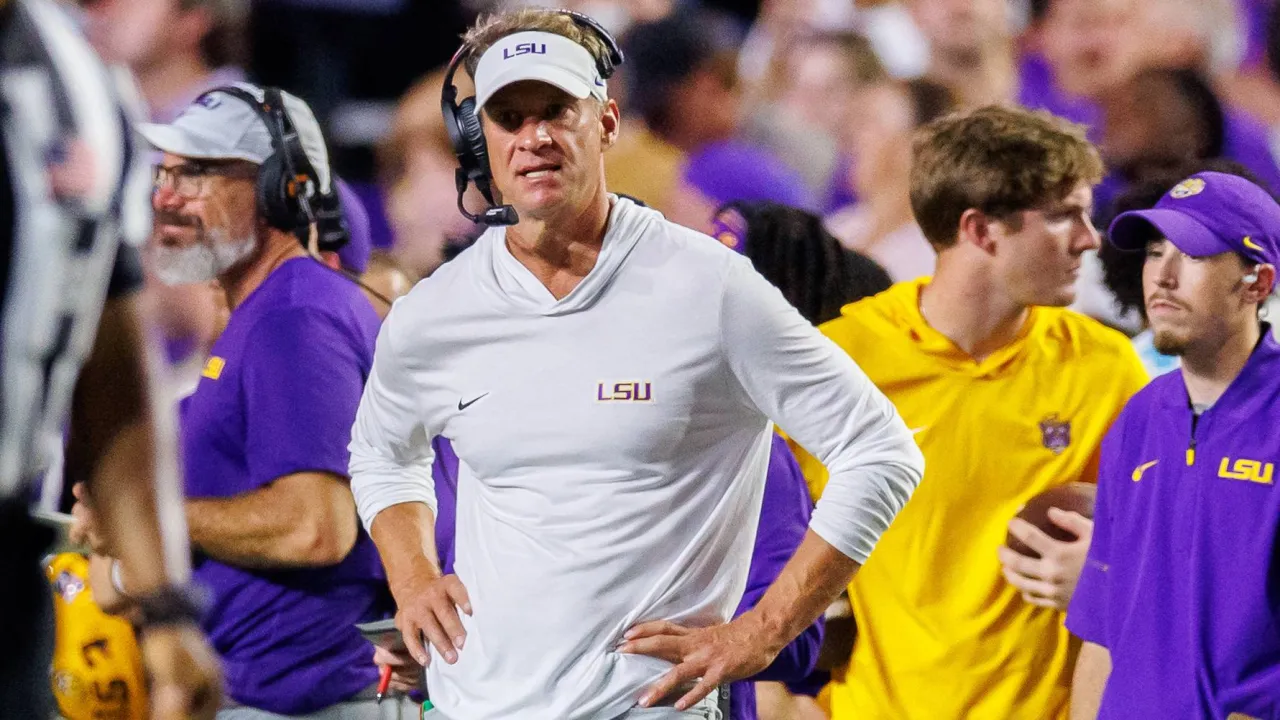
Lane Kiffin has voiced strong opposition to the SEC potentially rolling back a rule change that could require athletes transferring between conference schools to sit out a season before becoming eligible to play.
On his weekly radio show, the LSU Tigers head coach did not hide his frustration with the proposal, describing it as a terrible decision for the conference. “Can’t imagine a worse decision to make,” Kiffin said, adding that other conferences would celebrate the rule because players could choose to transfer elsewhere rather than remain within the SEC.
This is the latest attempt by a conference to limit how athletes move around to optimize opportunities. The SEC is reportedly considering reinstating its previous intraconference transfer restriction, according to On3.
In 2021, the conference approved a policy allowing athletes transferring between SEC schools to compete immediately, following broader NCAA changes that relaxed transfer restrictions. Since the Protect College Sports Act has now passed the U.S. Senate, conferences are starting to see what they can do if the bill is hung up in the House of Representatives.
The NCAA subsequently expanded immediate eligibility for multiple-time transfers in spring 2024 after a federal injunction complicated the governing body’s ability to enforce its existing restrictions.
However, growing uncertainty surrounding college athletics regulations has prompted the SEC and others to explore potential changes ahead of the next transfer portal window. The proposed restriction could create significant challenges for SEC programs. While the rule might discourage players from moving between conference rivals, critics argue it could also prevent SEC teams from recruiting experienced talent already competing within the league.
The NCAA has announced that the FBS transfer portal will open January 4 for a 10-day period. With roster retention discussions expected to intensify in the coming weeks, the SEC faces important decisions about its transfer policies.
For Kiffin, the conference restricting movement within the SEC is bad for business. This could ultimately benefit rival conferences rather than protect the league’s competitive interests. We’ll see how this all shakes out in the coming weeks.